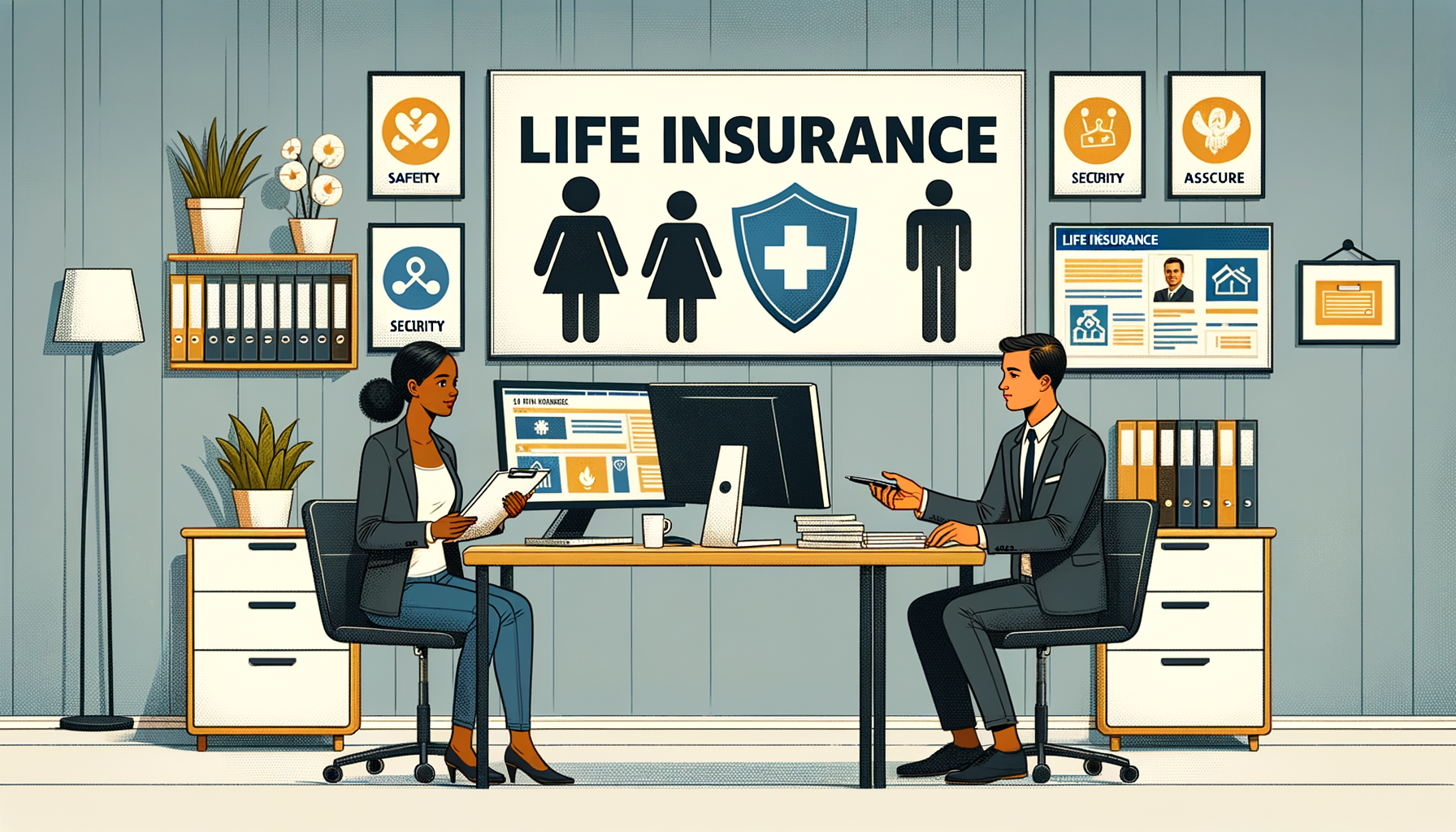
Life is a thrilling adventure, full of dreams, plans, and the unexpected. One smart way to prepare for the unknown is by securing life insurance. It is a safety net for your loved ones and peace of mind for yourself. But what if your health isn’t perfect? Many people discover that their medical conditions can complicate, delay, or even prevent them from getting life insurance. Don’t worry; understanding why this happens can empower you to navigate the twists and turns ahead!
Unlocking the Mysteries of Health and Life Insurance
Life insurance isn’t just a one-size-fits-all policy; it’s a carefully calculated promise, with your health at the very heart of the equation. Insurers take a magnifying glass to your medical history, lifestyle, and even your family’s health background to gauge the risk they’re taking. The healthier you are, the easier and often cheaper it is to get covered. But when specific health issues arise, the process can become a little more complicated.
Why does your health matter so much? In short, insurance companies are betting on your longevity. If you have a condition that might shorten your life expectancy, the insurer’s risk goes up. They balance this risk with higher premiums, special conditions, or, in some cases, by declining coverage. Heart disease, cancer, diabetes, or even high blood pressure can trigger extra scrutiny, leading to more paperwork and longer waiting times.
The process might feel like an obstacle course, but knowledge is power! Armed with the facts about how your health impacts life insurance, you can better prepare. Some insurers specialize in “high-risk” policies, while others offer simplified or no-medical-exam options. Understanding these differences helps you hunt down the right fit for your unique situation.
When Health Hurdles Stand Between You and Life Insurance
It’s not always easy to hear that a health condition could keep you from your life insurance dreams. The reality is that some illnesses, especially those that are chronic, serious, or relatively new, can make it harder to find traditional coverage on websites like this. Conditions like a recent cancer diagnosis or advanced heart trouble may put you in the “declined” pile, at least temporarily. Even less severe issues like obesity or anxiety can lead to higher premiums or limited policy amounts.
But don’t let the hurdles stop you! Today’s insurance landscape is more flexible and creative than ever. There are policies designed especially for people with health concerns, such as guaranteed issue or graded benefit plans. While these may come with higher price tags or waiting periods, they still offer valuable protection and peace of mind, It becomes proof that there’s often a pathway, even if it’s not the straightest route.
Most importantly, don’t be afraid to ask questions and shop around. Some insurers view specific health problems more leniently than others, and new products enter the market regularly. You might find that what blocks your path with one company barely slows you down with another. An independent agent, with access to a wide range of providers, can be a valuable guide on your journey to coverage.
Conclusion
Health conditions can certainly throw a wrench in your life insurance plans, but they don’t have to end your dreams. With knowledge, persistence, and the proper support, you can navigate the challenges and secure the protection you and your family deserve. Life is all about overcoming obstacles, and when it comes to life insurance, a little creativity and determination go a long way. Keep moving forward, and you might unlock the coverage you’ve been dreaming of!